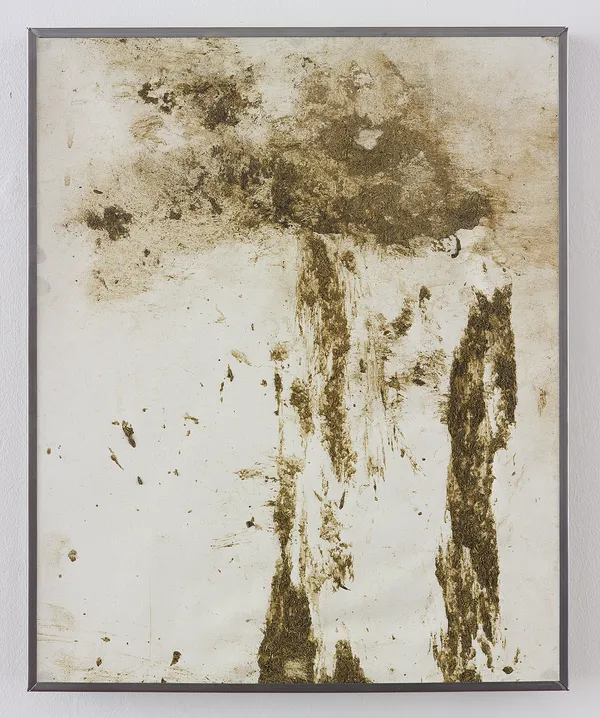
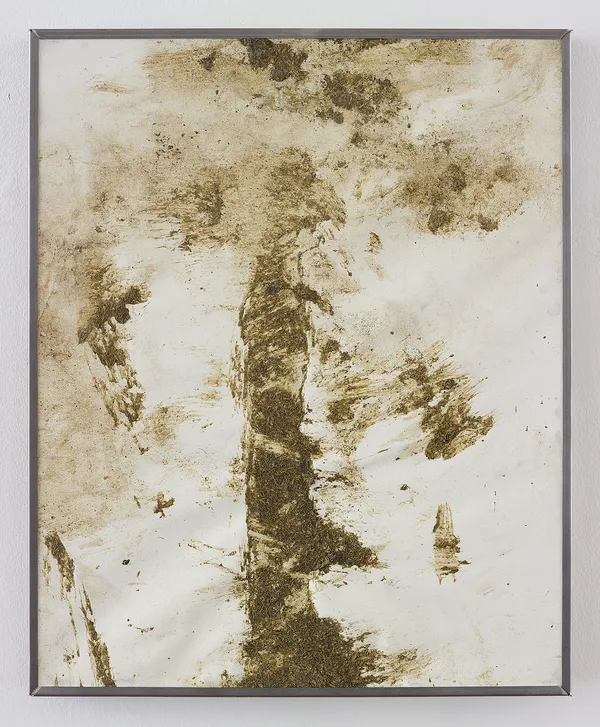
Lactose Intolerance: Simon Fujiwara
Past exhibition
Overview
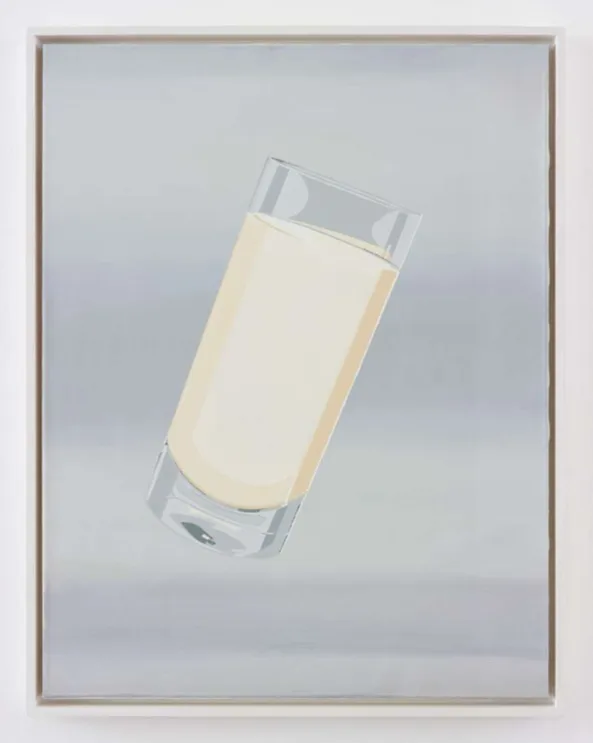
Simon Fujiwara
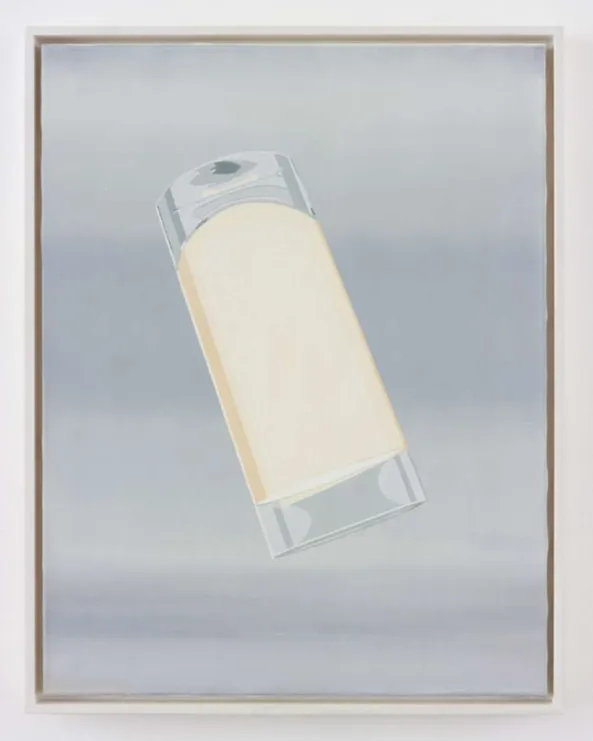
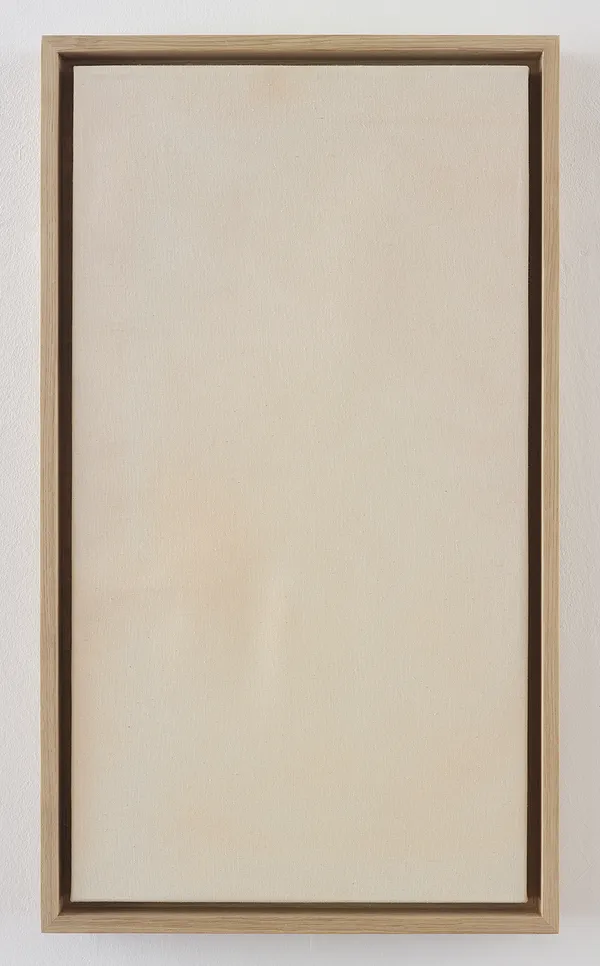
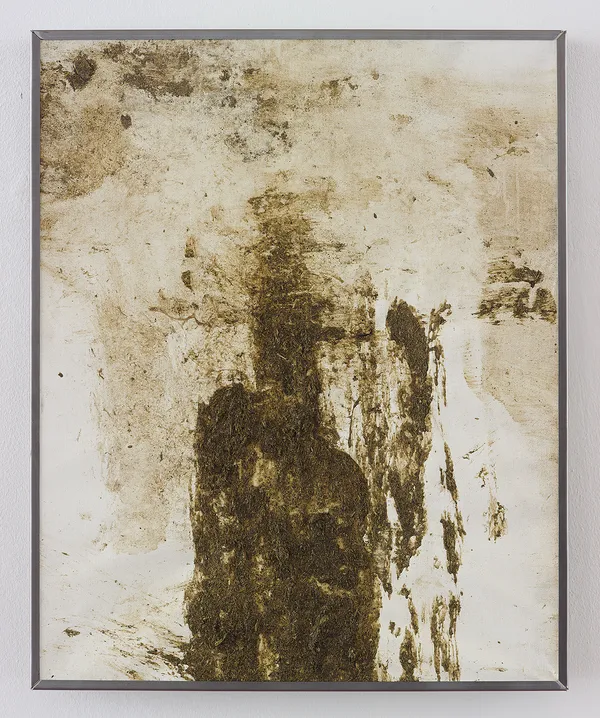
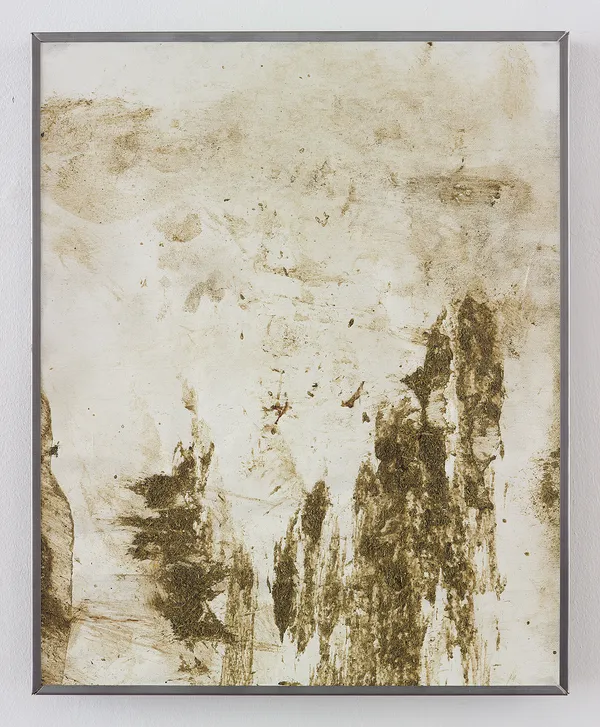
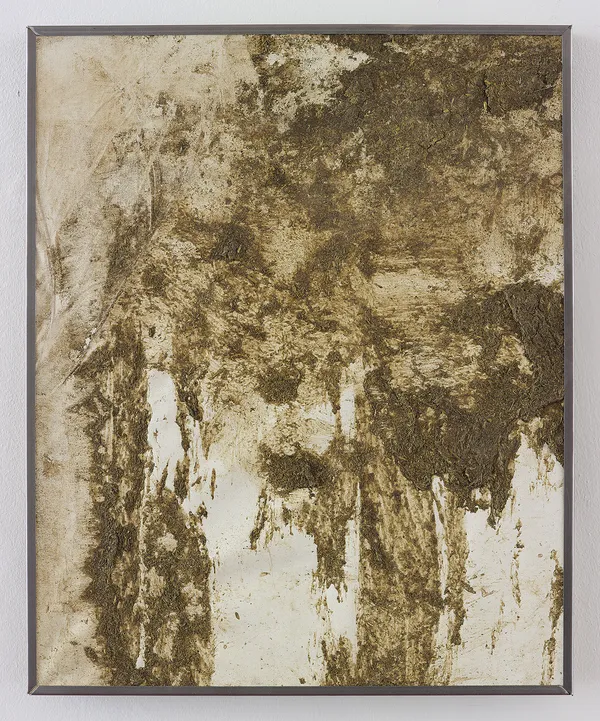
Lactose/Intolerance (Comic Style), 2015
oil on canvas
95 x 75 x 5 cm
unique
In an official statement released from Pyongyang, the government denied American claims that the termination of fresh milk production in the entire state of North Korea was due to the poor treatment and welfare of its cow population. Although milk has been consumed for centuries on the Korean Peninsula and despite its natural origins, it is considered a Western product in the communist state and is just one of a number of food products that have been outlawed in recent years as agricultural productivity dwindles under the pressure of international sanctions. According to officials, the recent ban is due to the population's growing intolerance to certain bacteria which reside in milk that are 'incompatible with the North Korean biological disposition' and if left uncontrolled could 'threaten the legacy of its people'. Effective as of May 1st, the new legislation would allow the importation of powdered, homogenised milk under ‘extremely exceptional circumstances’ and only when state officials are satisfied that the product would pose no threat to national security.
Installation Views


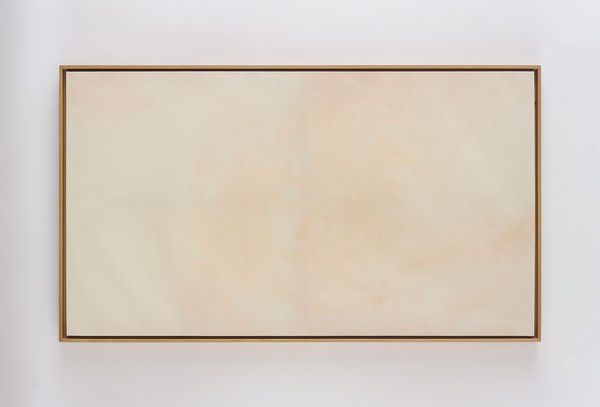
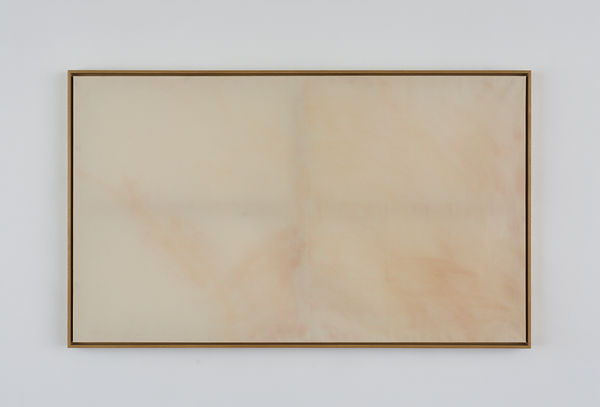
Lactose Intolerance, 2015
exhibition view at Dvir Gallery Tel Aviv, Israel
exhibition view at Dvir Gallery Tel Aviv, Israel
Works
-
 Simon Fujiwara, Lactose/Intolerance (Comic Style), 2015
 -
Simon Fujiwara, Lactose/Intolerance (Comic Style), 2015
-
Simon Fujiwara, Lactose/Intolerance (Comic Style), 2015
-
Simon Fujiwara, Lactose/Intolerance (Double Portrait), 2014
-
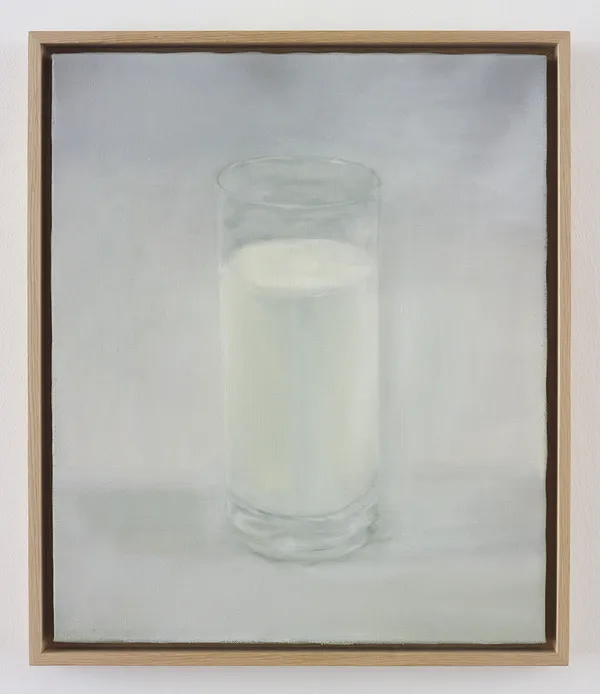
Simon Fujiwara, Lactose/Intolerance (Hyperrealist Style), 2015
-
Simon Fujiwara, Lactose/Intolerance (Nostalgic Style), 2015
-
Simon Fujiwara, Masks (Merkel), 2015
-
Simon Fujiwara, Masks (Merkel), 2015
-
Simon Fujiwara, Masks (Merkel), 2015
-
Simon Fujiwara, Masks (Merkel), 2015
-
Simon Fujiwara, Masks (Merkel), 2015
-
Simon Fujiwara, Masks (Merkel), 2015
-
Simon Fujiwara, Masks (Merkel), 2017
-
Simon Fujiwara, Masks (Merkel B6.1), 2015
-
Simon Fujiwara, Ich (Bio Trio), 2015
-
Simon Fujiwara, Ich (Cornerboy Double 32L), 2015
-
Simon Fujiwara, Ich (Trio Shorty), 2015
-
Simon Fujiwara, Ich (Swing Solo 20L), 2015
-
Simon Fujiwara, Ich (Hailo Rondo 90.4/34.3647-14), 2017
-
Simon Fujiwara, No Milk Today, 2015
-
Simon Fujiwara, No Milk Today, 2015
-
Simon Fujiwara, No Milk Today, 2015
-
Simon Fujiwara, No Milk Today, 2015
-
Simon Fujiwara, No Milk Today, 2015
-
Simon Fujiwara, No Milk Today, 2015
-
Simon Fujiwara, No Milk Today, 2015
-
Simon Fujiwara, No Milk Today, 2015
-
Simon Fujiwara, No Milk Today, 2015
-
Simon Fujiwara, No Milk Today, 2015
-
Simon Fujiwara, No Milk Today, 2015
-
Simon Fujiwara, No Milk Today, 2015
-
Simon Fujiwara, No Milk Today, 2015
-
Simon Fujiwara, No Milk Today, 2015
-
Simon Fujiwara, No Milk Today, 2015
-
Simon Fujiwara, No Milk Today, 2015