• Yudith Levin

    Yudith Levin

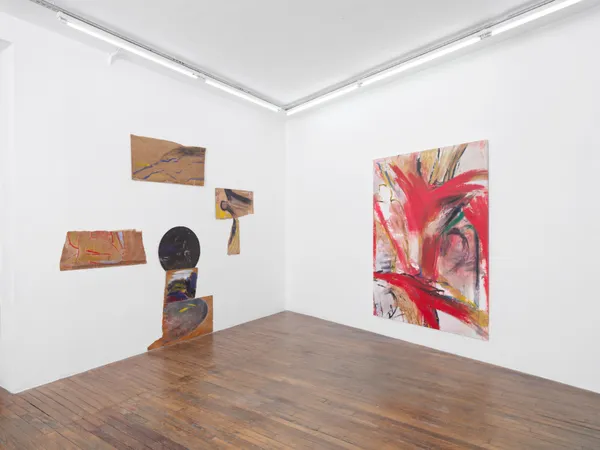
    Yudith Levin‭ (‬b‭. ‬1949‭, ‬Ein Vered‭, ‬Israel‭) ‬is a seminal figure in contemporary Israeli art‭. ‬Over a career spanning several decades‭, ‬she has developed a distinct visual language rooted in gestural abstraction and expressive figuration‭. ‬Working on both traditional canvases and found materials‮—‬such as discarded plywood from the streets of Tel Aviv‮—‬Levin blurs the line between painting‭ ‬and object‭, ‬chaos and order‭, ‬presence and absence‭.‬
    Her compositions‭, ‬often marked by raw brushwork and semi-abstract forms‭, ‬resist clear narrative and invite open interpretation‭. ‬Levin’s paintings are intuitive rather than planned‭; ‬even her figurative works emerge from purely abstract gestures‭. ‬This tension‮—‬between the accidental and the intentional‭, ‬the material and the metaphysical‮—‬defines her practice‭.‬
    In 2021‭, ‬Haaretz critic Ouzi Zur described Levin as‭ ‬“the purest voice in Israeli art‭,‬”‭ ‬recognizing her singular contribution to the field‭.‬
    Her work is held in major public and private collections‭, ‬including‭ ‬ S.M.A.K‭ (‬Ghent‭), ‬the Leopold Museum‭ (‬Vienna‭), ‬the Israel Museum‭, ‬and the Tel Aviv Museum of Art‭.‬ In 2026, Yudith Levin will open a retrospective in the Israel Museum, Jerusalem. 
  • Yudith Levin, Princess in a palace, 1978
  • PLYWOOD
     
    Yudith Levin
    Weight Lifters, 1981
    acrylic on plywood, laths
    243 x 193 x 6 cm, unique

    PLYWOOD

    ‘The fetishism of impoverished materials, an articulate and characteristic feature in Israeli art of the last twenty years - especially the plywood fetishism - reaches an unprecedented development in Yudith Levin’s work. This is plywood’s ‘finest hour’. The first step in Yudith Levin’s method of working is collecting used pieces of plywood from the streets of Tel Aviv. The collection and accumulation ultimately lead to the creation of composite works whose plywood components vary in degree of deterioration. Plywood is no longer a support on which to work, or, to be more exact, is no longer merely a support. It is a significant means of expression, a vehicle for conveying the way of the Levin world. Yudith Levin has turned the plywood pieces into a rich fund of emotions, a host of metaphors. The plywood fragments are broken and weak, crumbly and vulnerable. Alternatively, they are pliant, enduring and tough. The vocabulary of psychological imagery associated with the abstract brushstroke and abandoned with the shift to plywood has thus reappeared with Levin’s work through ‘the plywood condition’.
    Placing the pieces of plywood on the wall makes them a border-genre, a form of sculpture-relief-painting. The works are composed of plywood fragments rising from the floor and barely touching each other. There is no picture ‘square’ as an autonomous world, but a dependent, fragmentary world only partly perceptible where Yudith Levin does a conjuring act, achieving harmony between the fragments. In principle, this is the representation of Levin’s modern world view. Her structures join line of ways of representing an incoherent, modern world.’
     
    Sarah Breitberg-Semel -Curator, Israeli Art, Tel Aviv Museum


  • Yudith Levin, Angels Guarding Cats, 1984

    Yudith Levin

    Angels Guarding Cats, 1984
    acrylic on plywood
    243 x 275 cm
    unique
  • FIGURES OF THE SELF
    Yudith Levin
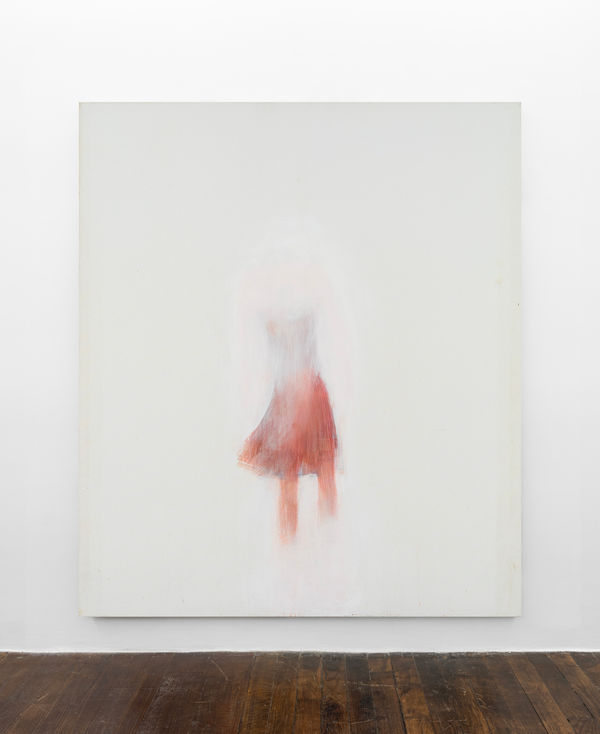
    Untitled, 1998
    acrylic on canvas
    200 x 170 cm, unique

    FIGURES OF THE SELF

    ‘Yudith Levin’s series of figure paintings is one of the most remarkable in the history of Israeli art. Female figures, each on her own canvas, appear to take physical form — as if emerging from the very marrow of art history and material — only to evaporate before our eyes, like ancient frescoes suddenly exposed to the light of the modern day.
     
    They are powerful and evocative, preserving a vital sensuality that celebrates each woman’s independence — goddesses of blood and spirit, with no need for a man.
     
    Did Levin create them as different reflections of herself, or as dream-objects?’
     
    Ouzi Zur, Art Critic
    Haaretz, 2021
    • Yudith Levin, Untitled, 1995
      Yudith Levin, Untitled, 1995
    • Yudith Levin, Buttocks, 1997
      Yudith Levin, Buttocks, 1997
    • Yudith Levin, Untitled, 1998
      Yudith Levin, Untitled, 1998
    • Yudith Levin, Untitled, 1997
      Yudith Levin, Untitled, 1997
  • Yudith Levin
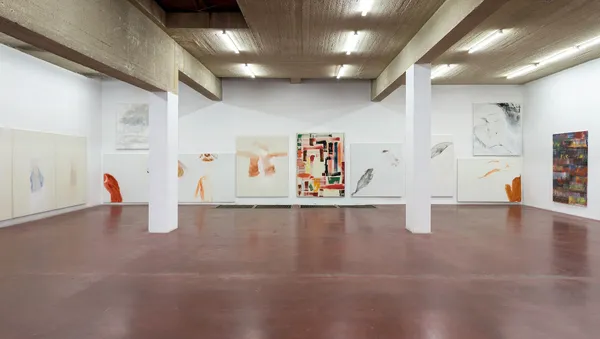
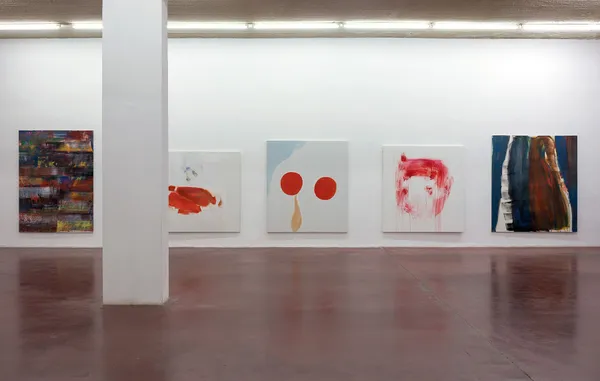
    Le temps et l'autre, 2026
    exhibition views, Dvir Gallery Paris
    © Aurélien Mole
  • HAWARA CHECKPOINT

    “Hawara Checkpoint” is a series of paintings in which the personal and the political, the abstract and the figurative, the “is” and the “is not,” color and body — all blend together to forge an exemplary essence that transcends the boundaries of art, achieving a rare human creation free of any propagandist overtones.
     At the barren center of the painting’s scorched landscape — forged in fire and blood — Levin renders the profiles of men with cuffed hands and blindfolded eyes. The white flannel strip grips the tortured, agonized lump of flesh, kneeling in a humiliating, forced pose of prayer. At the same time, this strip seems to break free from the body’s confines, floating slightly above the invisible ground.
     Above or perhaps beneath the figure’s back, as if treading on a thin sheet of ice, the small feet of daughters appear miraculously. This delicate detail defines the bound men as fathers. With their black shoe soles, slender legs, and the airy, watery hem of a blue dress, the girls seem to dance across the sky, hovering like little saints.
     Are they emerging from the fathers’ suffering — imagined and spiritual — or are they physically present at the checkpoint, witnessing their fathers’ humiliation? These little girls are also self-portraits of the artist herself, reflections of her yearning for peace.
     
    Ouzi Zur, Art Critic, Haaretz
  • Yudith Levin, Hawara Checkpoint, 2007
  • Prometheus

    Since 2023, Yudith Levin has been painting relentlessly in response to the tragedies unfolding in the region. Her works offer not only a powerful testimony of our time, but also a space to process grief — a place where pain can be held and strength can be drawn.
     
    In 2023, moved by a wave of civil resistance, Levin turned to the myth of Prometheus — the titan who gave fire to humanity and was condemned to eternal suffering. In her paintings, Prometheus becomes more than a symbol of defiance: he is a fractured, earthbound figure, his limbs merging into hills, his wounds flowing into rivers. These images speak both to the courage to resist and the resilience required to persist.
     
    • Yudith Levin, Prometheus and the Eagle (1) - (1) פרומתאוס והנשר, 2023
      Yudith Levin, Prometheus and the Eagle (1) - (1) פרומתאוס והנשר, 2023
    • Yudith Levin, Prometheus and the Eagle (2), a Heavy Shadow over us - פרומתאוס והנשר (2), צל כבד מעלינו , 2023
      Yudith Levin, Prometheus and the Eagle (2), a Heavy Shadow over us - פרומתאוס והנשר (2), צל כבד מעלינו , 2023
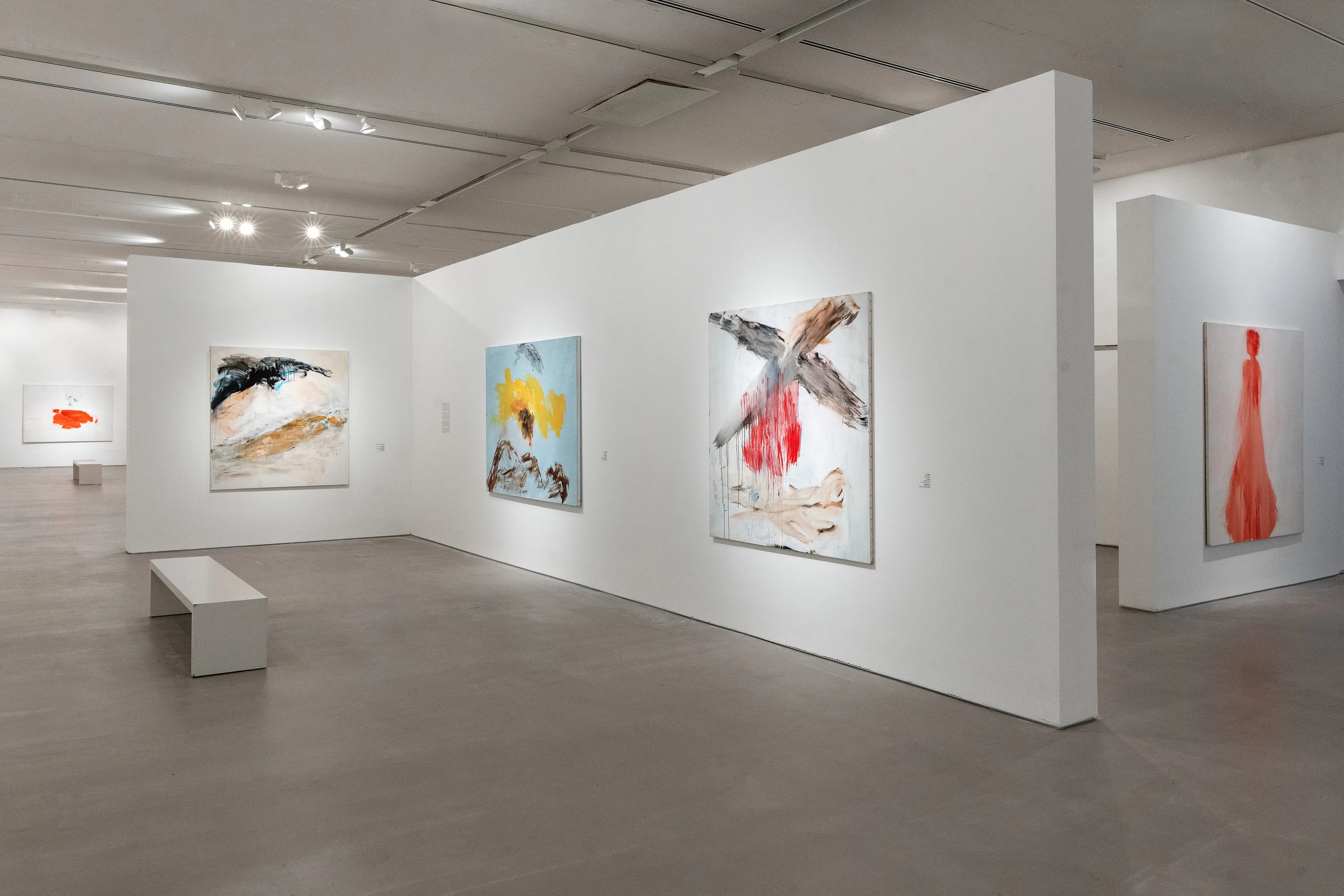
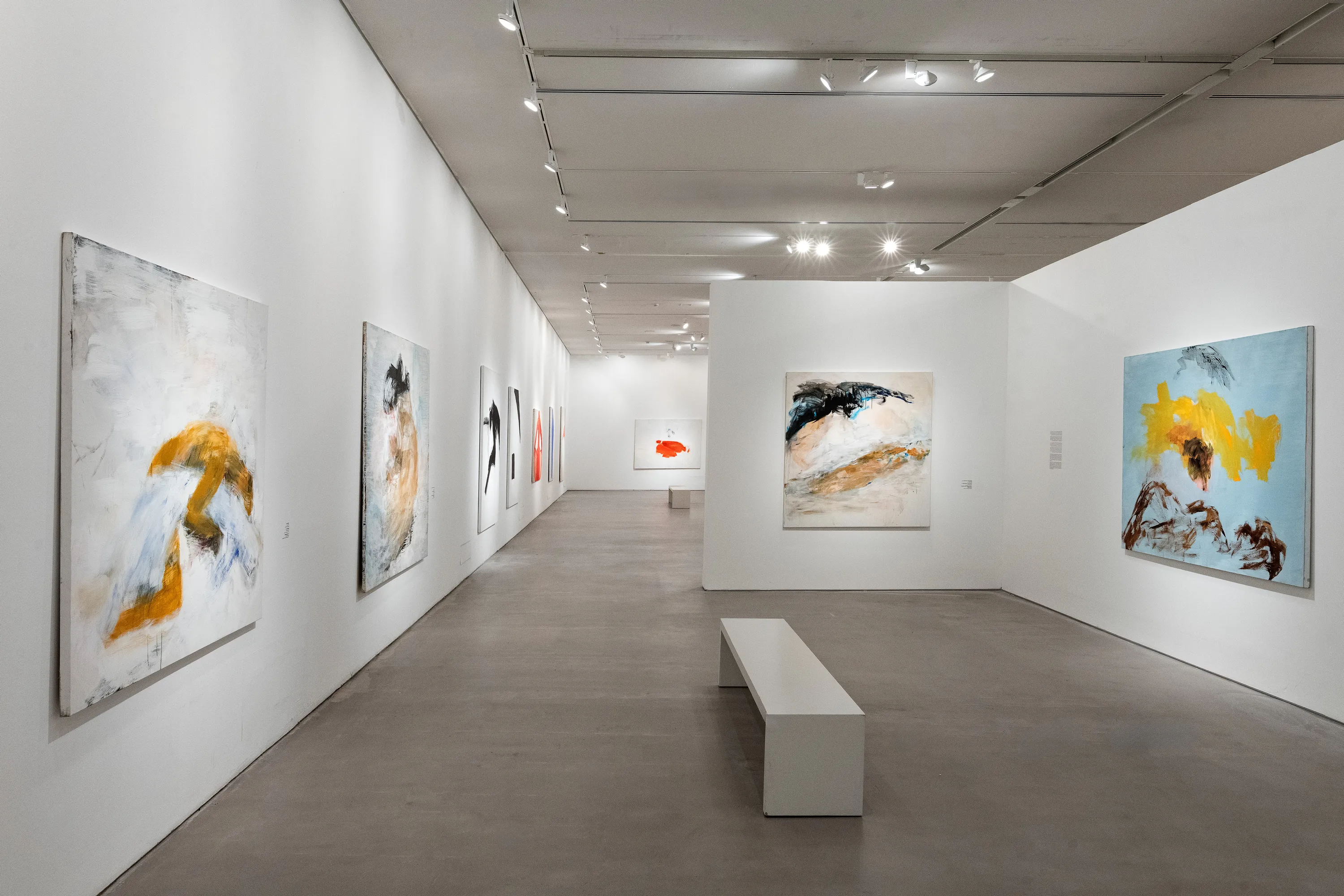
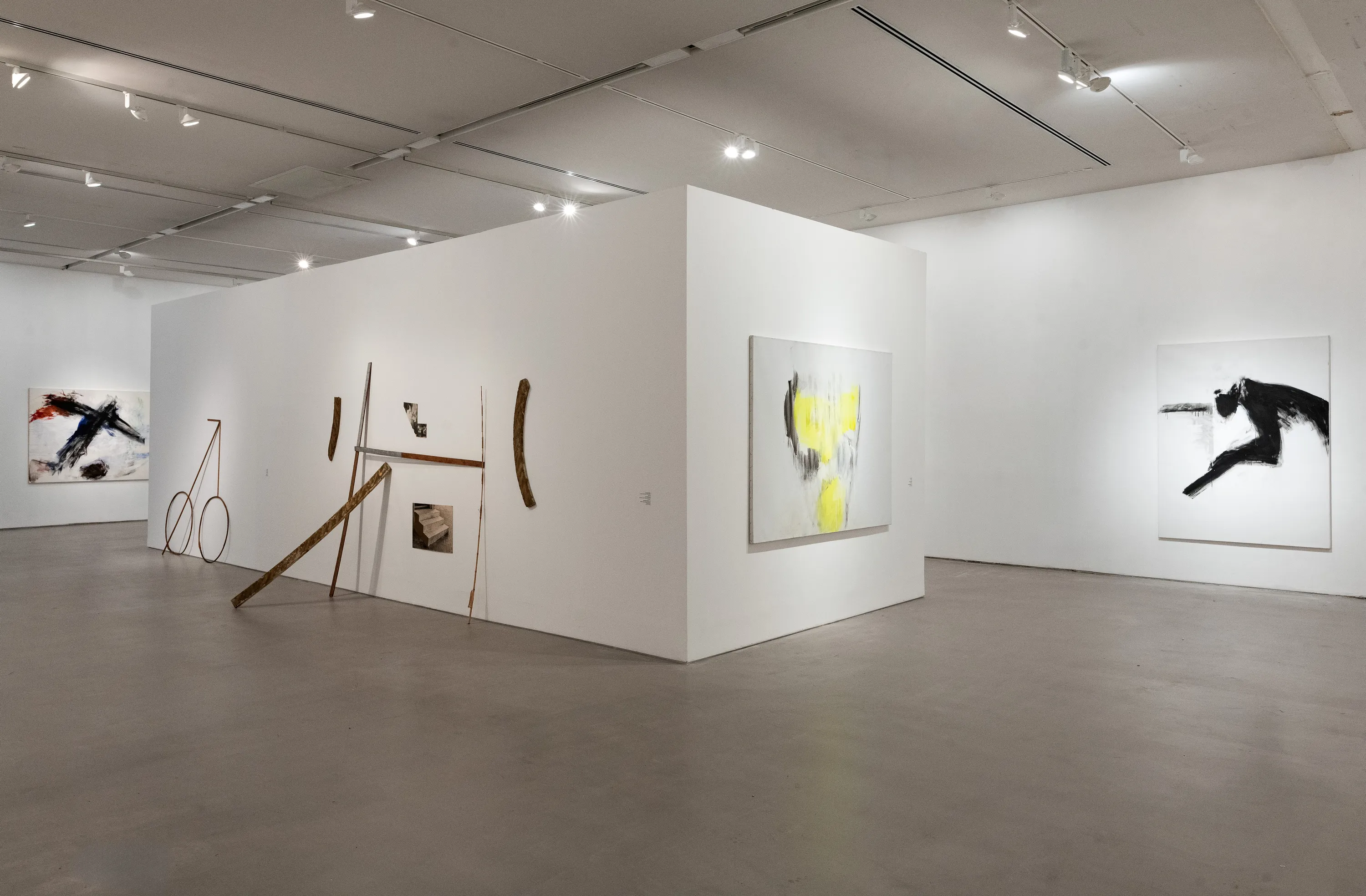
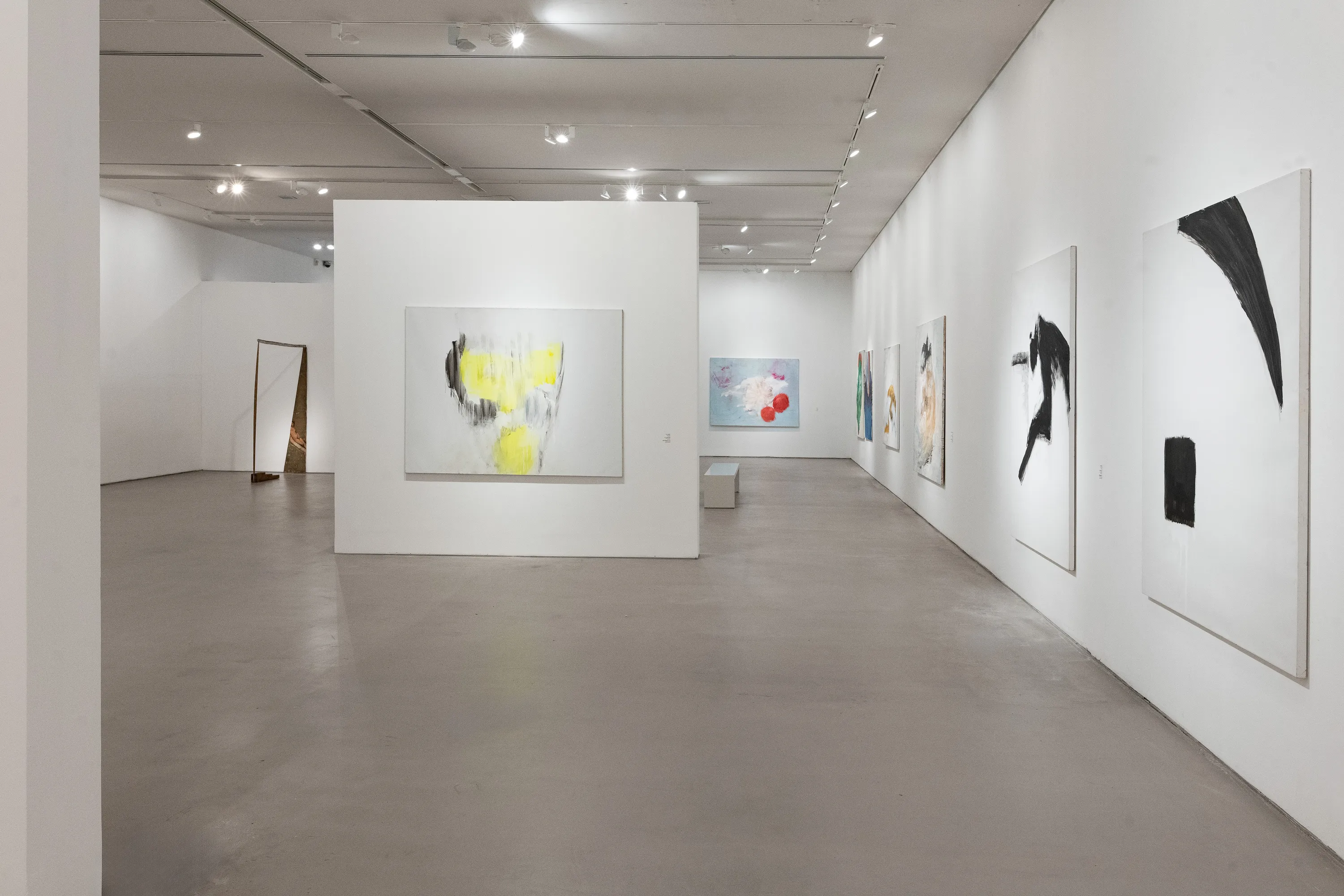
  • Yudith Levin, Break of Dawn, 2026, exhibition views, The Israel Museum, Jerusalem © Hanna Taieb
    Yudith Levin, Break of Dawn, 2026, exhibition views, The Israel Museum, Jerusalem © Hanna Taieb
    Yudith Levin, Break of Dawn, 2026, exhibition views, The Israel Museum, Jerusalem © Hanna Taieb
    Yudith Levin, Break of Dawn, 2026, exhibition views, The Israel Museum, Jerusalem © Hanna Taieb

    Yudith Levin, Break of Dawn, 2026,
    exhibition views, The Israel Museum, Jerusalem

    © Hanna Taieb

  • FOR MORE INFORMATION PLEASE CONTACT:
    CHAYA HAZAN
    +33 6 23 77 45 93
    PARIS@DVIRGALLERY.COM